
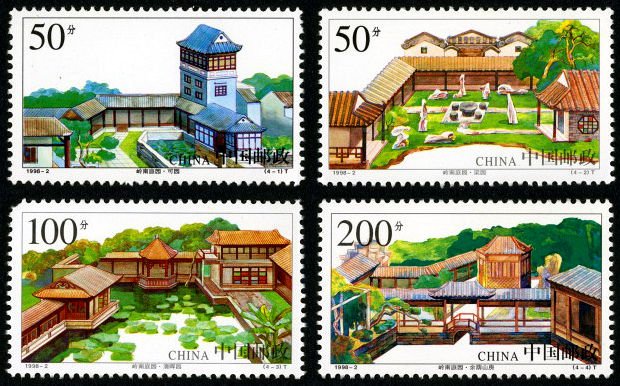
1998-02, Garden of Lingnan《岭南庭园》
Stamp Title: Garden of Lingnan
Scott No: 2829-32
Serial number: 1998-2
Values in set: 4
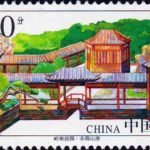
(4-1), Keyuan Garden, 50 fen, 50*30mm
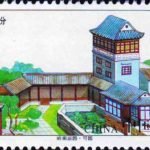
(4-2), Liangyuan Garden, 50 fen, 50*30mm
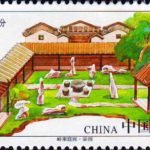
(4-3), Qinghui Garden, 100 fen, 50*30mm
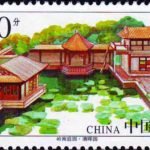
(4-4), Yuyin Garden, 200 fen, 50*30mm
Date of issue: January 18, 1998
Designers: Guo Chenghui ; Yan Bingwu;
Pan Keming
Size: 50*30mm
Perforation: 12
Sheet composition: 40
Printing process: offset
The Chinese garden art is impressive and inspiring. Geographically, the northern gardens are broad and emphasize magnificence; while the gardens south of the Yangtze River are meandering and emphasize the disposition. The Garden of Lingnan refers to the classic gardens of the Qing Dynasty in the central and eastern parts of Guangdong Province, which emphasizes a family atmosphere, is consisted of lobbies and rooms, buildings and corridors, with complete facilities, as well as distinct demarcations between the main and the accessory. The Keyuan Garden, the Liangyuan Garden, the Qinghui Garden and the Yuyin Mountain Mansion are the representatives of the Garden of Lingnan. They usually occupy small tracts of land where the pavilions and verandas are simply shaped, complicated shape composition is rarely seen, and usually a corner of their roofing is overhanging. Every garden must have a pond or pool surrounding the house. Inside the garden grow the opulent and lush plants, miniaturizing the spring flowers and autumn harvest as well as mountains and water of the nature into a small, elegant garden, and creating an extraordinary atmosphere.
Wandering in the Garden of Lingnan, one enjoys a delightful taste of the family life, for the gardens may help cultivate the personality and provide a good place of rest. In their structure, Garden of Lingnan is moue like a combination of small gardens: with the traditional styles of Chinese classic gardens as well as strikingly local flavour and unique charms because of geographical, climatic and local folk influences.
-

- (4-1), Keyuan Garden, 50 fen, 50*30mm
-
- (4-2), Liangyuan Garden, 50 fen, 50*30mm
-
- (4-3), Qinghui Garden, 100 fen, 50*30mm
-
- (4-4), Yuyin Garden, 200 fen, 50*30mm
1998年特种邮票《岭南庭园》
国家邮政局1998年1月18日发行《岭南庭园》特种邮票1套4枚。
(4-1)T 可园 50 分 4225.9万枚
(4-2)T 梁园 50 分 4069.9万枚
(4-3)T 清晖园 100 分 3767.9万枚
(4-4)T 余荫山房 200 分 3153.9万枚
志号名称:1998-2T
版别:胶印
整版枚数:40枚
全套面值:4元
邮票规格:50×30毫米
齿孔度数:12度
设计者:郭承辉、阎炳武、潘可明
印制机构:辽宁省沈阳邮电印刷厂
岭南,是指五岭以南的地区,即广东、广西一带。可园、梁园、清晖园及余荫山房,是富有代表性的岭南庭园。
(4-1)为“可园”。坐落在东莞市西博夏村,始建于清道光三十年(1850年),于咸丰八年(1858年)由广西按察使张敬修建成。早先 张敬修准备叫意园的,因为它“可人心意”,但后来大家来参观时 都一个劲地赞叹“可以,可以啊! ”他觉得可在意先,叫可园更好, 于是最后定名为可园。它有“可以”、“可人”、“无可无不可”三层意思的。因为张敬修在仕途上三起三落,所以他教育子孙在宦途上可行则行,应止则止。在整个园内建有可轩、可堂、可舟、可亭等等一系列以可命名的特色建筑。该园曾几度荒废,后修复一新,还其固有本色。
(4-2)为“梁园”。坐落在佛山市旧区先锋古道,是清代曾任内阁中书的岭南书画家梁蔼如及其侄梁九华、梁九章、梁九图于清嘉庆、道光年间(1796–1850年)陆续建成的。梁园至民初,已濒于湮没。1994年开始全面大规模修复,1997年7月对外开放,成为佛山游览胜景之一。
(4-3)为“清晖园”。坐落在顺德市大良镇华盖里。原是明代万历状元、礼部尚书黄士俊的“天奉阁”和“灵柯之阁”旧址,后归清代乾隆进士龙应时所有,其子龙廷槐,亦为乾隆进士,官至太常侍卿,始经营改造,易名“清晖园”。解放后,人民政府修复,对外开放,使该园更为多姿多彩。邮票画面重点展示了南部水池一带的园林风光。
(4-4)为“余荫山房”。又名余荫园,坐落在番禺市南村镇。由清朝举人邬燕天聘能工巧匠建于同治三年(1864年)。由于他在咸丰五年中举,后签分刑部堂主事、为七品员外郎,其长子和次子亦先后中举,故有“一门三举人,父兄弟登科”之说,名以“余荫”,是谓叨承祖先之余荫,乃有今日之荣耀。园内花木葱郁,花砖铺地,随处可见精巧细致的木雕饰品,各建筑间均以风雨廊连接,正是“余地三弓红雨足,荫天一角绿云深”,园中有园,景中有景,给人一种恬静和淡雅的美感。
可园、梁园、清晖园及余荫山房,是富有代表性的岭南庭园。分别位于广东省东莞县、佛山市、顺德县和番禺县,建于清代,原为私家宅第,其建筑简洁、轻盈,融江南园林的精美灵巧和北方园林的华缛于一身,加之南国植物的配置,形成岭南庭园畅朗、玲珑、典雅的独特风格。
Leave A Comment
You must be logged in to post a comment.