
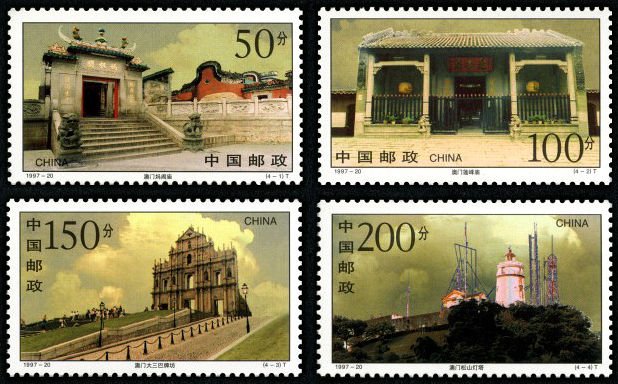
1997-20, Historic Relics of Macao《澳门古迹》
Stamp Title: Historic Relics of Macao
Scott No: 2812-15
Serial number: 1997-20
Values in set: 4
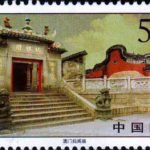
(4-1), Ma Kok Temple in Macao, 50 fen, 50*30mm
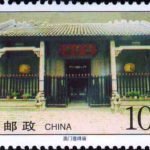
(4-2), Lin Fong Temple in Macao, 100 fen, 50*30mm
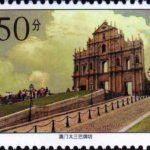
(4-3), St. Paul’s Ruins in Macao, 150 fen, 50*30mm
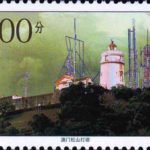
(4-4), Guia Lighthouse in Macao, 200 fen, 50*30mm
Date of issue: November 11,1997
Designers: Ren Guoen
Size: 50*30mm
Perforation: 12.5
Sheet composition: 42
Printing process: offset
Macao is located in the South China Sea and west of the mouth of the Pearl River, occupying an area of 24 square kilometers with a population of about 450,000.
Macao is the territory of China from ancient times to the present, called Haojing in ancient times, At the 36th year during the reign of Emperor Jiajing in Ming Dynasty (1557), Macao was occupied by the Portuguese. It was the earliest port opened for trade between China and foreign countries and the earliest place where the Oriental and Western cultures encountered by the sea route. Owing to its unique geographical location and historical background, Macao has witnessed vicissitudes in the more than 400 years since its opening to the foreigners. Pursuant to the Joint Declaration of the Chinese Government and the Portuguese Government on the Question of Macao signed in 1987, China will resume the exercise of sovereignty over Macao on December 20, 1999.
Demonstrating the features of both an old and modern city, Macao today is a tourism and industrial city with vigor and potential for economic development. It is a port of free trade, and since the 1980s has become one of the few regions in Asia which recorded fastest economic development. Industry, tourist gambling and construction are the three pillar industries in Macao’s economy.
Macao, with beautiful natural scenery , rich cultural relics and ancient sites, ideal climate and unique features of islands in South China, is a mecca for international tourism. Mage Temple, Zen Temple of Universal Relief (Avalokitesvara Temple) and Lianfeng Temple are the three ancient temples in Macao. Other tourist attractions include the Dasanba Memorial Arch, Songshan Lighthouse, Siwangyang Chapel, White Pigeon Nestle Park and Xiwan scenic zones at the southern tip of the peninsula.
-

- (4-1), Ma Kok Temple in Macao, 50 fen, 50*30mm
-
- (4-2), Lin Fong Temple in Macao, 100 fen, 50*30mm
-
- (4-3), St. Paul’s Ruins in Macao, 150 fen, 50*30mm
-
- (4-4), Guia Lighthouse in Macao, 200 fen, 50*30mm
1997年特种邮票《澳门古迹》
国家邮政局1997年11月11日发行《澳门古迹》特种邮票1套4枚。
(4-1)T 澳门妈阁庙 50 分 3538.1万枚
(4-2)T 澳门莲峰庙 100 分 2767.4万枚
(4-3)T 澳门大三巴牌坊 150 分 2580.5万枚
(4-4)T 澳门松山灯塔 200 分 3013.1万枚
志号名称:1997-20T
版别:胶印
整版枚数:42 枚
全套面值:5.00元
齿孔度数:12.5 度
邮票规格:50 × 30毫米
设计者:任国恩
印制机构:北京邮票厂
澳门自古以来就是中国的领土,原属广东香山县(今珠海市)。1553年,葡萄牙人登上澳门陆地借居,1557年开始在此长期居住。1840年鸦片战争后,葡萄牙人乘清政府战败之机,相继侵占了澳门南面的凼仔岛和路环岛。1887年,葡萄牙政府又迫使清政府先后签订了《中葡会议草约》和《中葡北京条约》,此后,葡竟把澳门划为其领土。1987年3月26日,中葡两国政府在北京签订了关于澳门问题的联合声明,宣布中国将于1999年12月20日对澳门恢复行使主权。
澳门的地方很小,却屹立了四百多年以来的中西式建筑,处处洋溢着浓浓的文化情怀,反映了中西文化多元传统的历史建筑面貌。澳门有多个历史悠久的中西式建筑,如妈阁庙、郑家大屋、圣若瑟修院大楼及圣堂、岗顶剧院、民政总署大楼、大三巴牌、旧城墙遗址、大炮台及松山炮台等。这些历史悠久的建筑物汇集在一起,在此地相互交融,各有特色,形成大规模的古迹建筑群坐落澳门中心。
1997年11月11日我国发行的“澳门古迹”拉开了澳门回归的序幕,邮票编号1997-20,全套4枚。分别介绍了澳门的四大古迹,妈阁庙、莲峰庙 、大三巴牌坊和松山灯塔。
Leave A Comment
You must be logged in to post a comment.