
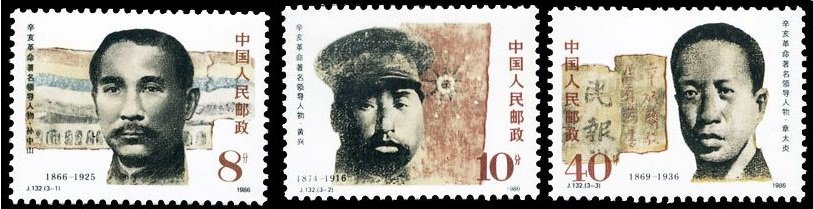
J132, Three Celebrated Leaders of 1911 Revolution《辛亥革命著名领导人》
Stamp Title: Three Celebrated Leaders of 1911 Revolution
Scott No: 2064, 2065, 2066
Serial number: J132
Values in set: 3
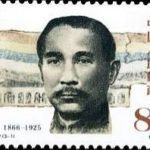
(3-1), Sun Yat Sen, 8 fen, 40*30 mm
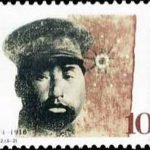
(3-2), Huang Xing, 10 fen, 40*30 mm
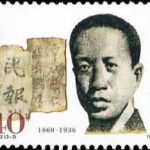
(3-3), Zhang Taiyan, 40 fen, 40*30 mm
Date of issue: October 10, 1986
Denomination: 58 fen
Designers: Tian Liming
Size of stamps: 40*30mm
Perforation: 11*11.5
Sheet composition: 50(5*10)
Printing House: Beijing Postage Stamp Printing Works
Failure of reform from the top and the fiasco of the Boxer Uprising convinced many Chinese that the only real solution lay in outright revolution, in sweeping away the old order and erecting a new one patterned preferably after the example of Japan. The revolutionary leader was Sun Yat-sen (Sun Yixian in pinyin, 1866- 1925), a republican and anti-Qing activist who became increasingly popular among the overseas Chinese and Chinese students abroad, especially in Japan. In 1905 Sun founded the Tongmeng Hui (United League) in Tokyo with Huang Xing (1874-1916), a popular leader of the Chinese revolutionary movement in Japan, as his deputy. This movement, generously supported by overseas Chinese funds, also gained political support with regional military officers and some of the reformers who had fled China after the Hundred Days’ Reform. Sun’s political philosophy was conceptualized in 1897, first enunciated in Tokyo in 1905, and modified through the early 1920s. It centered on the Three Principles of the People (san min zhuyi): “nationalism, democracy, and people’s livelihood.” The principle of nationalism called for overthrowing the Manchus and ending foreign hegemony over China. The second principle, democracy, was used to describe Sun’s goal of a popularly elected republican form of government. People’s livelihood, often referred to as socialism, was aimed at helping the common people through regulation of the ownership of the means of production and land.
The republican revolution broke out on October 10, 1911, in Wuchang, the capital of Hubei Province, among discontented modernized army units whose anti-Qing plot had been uncovered. It had been preceded by numerous abortive uprisings and organized protests inside China. The revolt quickly spread to neighboring cities, and Tongmeng Hui members throughout the country rose in immediate support of the Wuchang revolutionary forces. By late November, fifteen of the twenty-four provinces had declared their independence of the Qing empire. A month later, Sun Yat-sen returned to China from the United States, where he had been raising funds among overseas Chinese and American sympathizers. On January 1, 1912, Sun was inaugurated in Nanjing as the provisional president of the new Chinese republic. But power in Beijing already had passed to the commander-in-chief of the imperial army, Yuan Shikai, the strongest regional military leader at the time. To prevent civil war and possible foreign intervention from undermining the infant republic, Sun agreed to Yuan’s demand that China be united under a Beijing government headed by Yuan. On February 12, 1912, the last Manchu emperor, the child Puyi, abdicated. On March 10, in Beijing, Yuan Shikai was sworn in as provisional president of the Republic of China.
-

- (3-1), Sun Yat Sen, 8 fen, 40*30 mm
-
- (3-2), Huang Xing, 10 fen, 40*30 mm
-
- (3-3), Zhang Taiyan, 40 fen, 40*30 mm
J132 辛亥革命著名领导人
发行日期:1986.10.10。 影写版。P11*11.5。 40mm*30mm。 50(5*10)。 [G]。
设计:田黎明。印制:北京邮票厂。
3-1为“孙中山”。人物背景是总统府和象征汉、满、蒙、藏、回“五族共和”的五色旗。
3-2为“黄兴”。背景主体是武昌起义的旗帜。
3-3为“章太炎”。背景是他主编的《民报》图案。
1986年是辛亥革命75周年。为了纪念这场伟 大的革命,中国邮电部发行了这套纪念邮票。 孙中 山、黄兴、章炳麟三人都是中国资产阶级革命最早的领导人。在革命斗争中,孙中山为主帅,而黄兴和章炳麟则是一武一文。
1986年是辛亥革命75周年。为了纪念这场伟大的革命,中国邮电部发行了这套纪念邮票。
在邮票人物的选取上,作者考虑得比较全面。孙中山、黄兴、章炳麟三人都是中国资产阶级革命最早的领导人。在革命斗争中,孙中山为主帅,而黄兴和章炳麟则是一武一文,相得益彰,都是孙中山倚重的主要助手。因而以这三个人作为辛亥革命领导人物的代表是适宜的。
本套邮票共3枚。邮票设计者是中央美院国画系的田黎明先生。设计者在表现人物形象时,使用一种有陈旧感、历史感的形式来再现当年的时代精神,使人从图案设计中感受到一种深沉、庄严和博大的力量,把人的思绪带入一种深远的历史境界中去。这在中国邮票设计上也是非常独特的。
3-1为“孙中山”。表现了盛年时期的孙中山形象。作者以孙中山的“必须唤起民众,及联合世界上一切平等待我之民族,共同奋斗”的遗嘱作为人物精神和性格的塑造点,使整个形象的明暗处理及神态的刻划、气质的体现都服从这个总的原则。人物背景是单纯含蓄的总统府和象征汉、满、蒙、藏、回“五族共和”的五色旗,表现辛亥革命成果。
3-2为“黄兴”。画面中的人物一戎身装,意志坚定,性格刚毅,同时还透出宽厚纯朴的气质,形象刻划得十分准确。背景主体是武昌起义的旗帜,与人物形象配合协调。
3-3为“章太炎”。主图是章炳麟头像。他眼神犀利,神态倔强,前额宽厚,作者将这位学问渊博、思路敏捷的理论家和《民报》主编的形象刻划得栩栩如生。背景是他主编的《民报》图案,与黄兴邮票形成了鲜明的对比。
作者在人物形象的总体刻划上还吸收了版画的一些特点,加强了黑白对比度,减少了灰调子,使人物性格更加突出。画面趋向单纯、概括,从而较好地把握了人物的内心世界。
Leave A Comment
You must be logged in to post a comment.